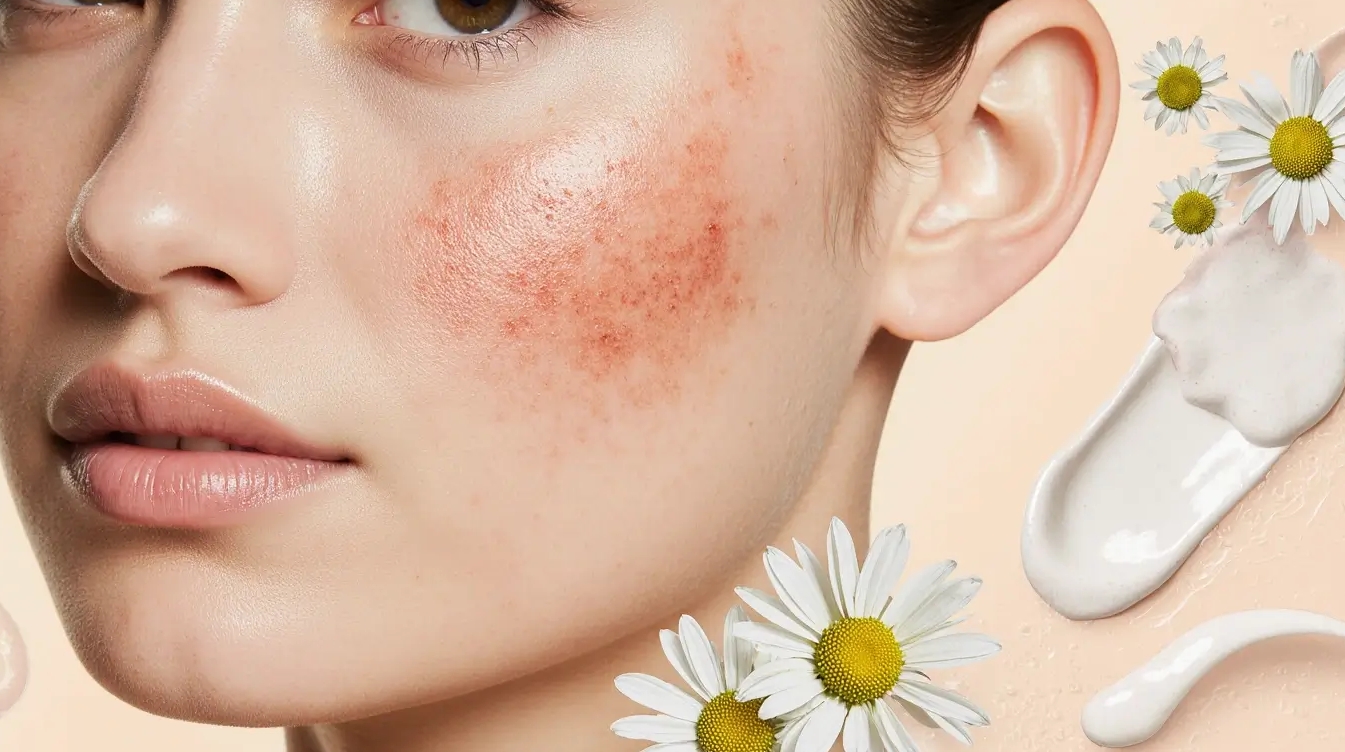
In 2020, a meta-analysis of published studies found the self-reported prevalence of sensitive skin to be 71% of all adults a figure which had increased from 46% two decades prior. Subsequent studies have found similar results across genders, regions and ethnicities. Sensitive skin is a pervasive concern among consumers that presents a distinct opportunity for beauty brands. But what are the factors that have driven this increase?
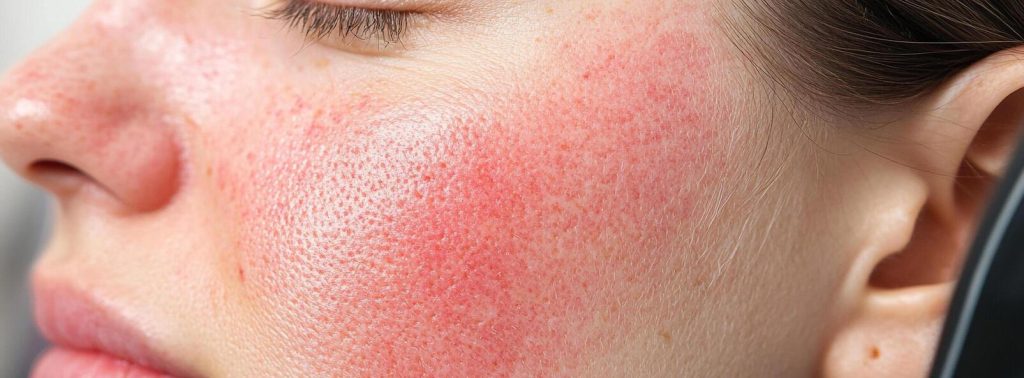
How many people have sensitive skin?
The level of consumer awareness of sensitive skin and skin concerns is astonishingly high, and crucially, on the rise. While exact figures can vary depending on the methodology and demographics of studies, the consensus points to a significant portion of the global population self-identifying with sensitive skin. A recent meta-analysis and systematic review of 26 studies across 18 countries suggested 71% of the general population had sensitive skin to some degree. This prevalence of self-declared skin sensitivity has grown in a number of countries, including the UK, US, India, China and Japan.
For most individuals, self-declaration of sensitive skin is likely influenced by experiencing dry skin, redness or breakouts, with worry that continued experience may lead to acute skin conditions such as dermatitis.
Perhaps most critically for our industry, the perception of sensitive skin is increasing. This is likely due to a combination of factors:
- Increased awareness: Consumers are more educated about skin health and more attuned to how their skin reacts to products and the environment.
- Environmental factors: Rising pollution levels, changes in climate, and exposure to various irritants can exacerbate skin sensitivity.
- Lifestyle stressors: Stress, lack of sleep, and modern diets can impact skin barrier function and overall skin resilience.
What does the prevalence of sensitive skin mean for the beauty industry?
This means that “sensitive skin” is not a small consumer niche; it is a mainstream skin care requirement. Brands that fail to address this concern are effectively overlooking a majority segment of potential customers.
The imperative is clear: every product, or at least a significant portion of a brand’s portfolio, should be formulated with sensitivity in mind.
This includes hair care and sun care too. Sun protection products are obviously applied to skin and need to consider the worries of consumers with sensitive skin. Scalp care and scalp sensitivity is increasingly a concern. According to a report by Euromonitor, the scalp care market in Europe has grown by 3.3% in the past 2 years to an estimated $23.2 billion and is projected to grow a further 19% through 2029.
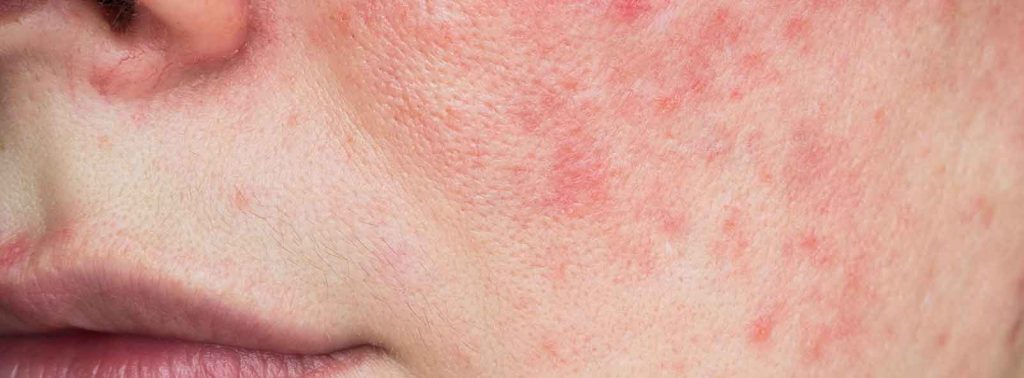
Formulating for sensitive skin
Formulation considerations for consumers with sensitive skin encompass a number of key considerations that must be balanced to create effective end results.
True sensitive skin requires more than a passive, “free-from” marketing claim; it demands a deliberate, scientifically backed approach designed to defend against environmental aggressors, mitigate neurosensory irritation, and actively restore skin homeostasis.
The key pillars to consider when formulating around sensitive skin claims are:
- Protect and repair the skin barrier
- Protect and repair the microbiome
- Reduce irritation
- Incorporate active ingredients with soothing or strengthening properties
- Create textures which are soothing, pleasant and non-irritating
Repair and protect the skin barrier
One of the primary causes of skin sensitivity is a compromised stratum corneum. When the extracellular lipid matrix is disrupted, the skin experiences an increase in transepidermal water loss (TEWL) and becomes highly vulnerable to airborne pollutants, allergens, and opportunistic microbial colonisation. Formulations which actively restore this layer of the skin must supply the precise building blocks necessary.
A primary strategy involves incorporating a class of skin-identical lipids called ceramides that can seamlessly integrate into the lamellar phases of the lipid barrier.a bio-fermentation derived, skin-identical Ceramide NP (Ceramide 3). As an essential structural component of the intercellular cement, it actively fills the structural gaps in compromised skin, significantly reducing TEWL and accelerating barrier recovery. Ceramide 3 is part of our SphingoCare range of ceramides and sphingolipids.
Add microbiome support
The skin microbiome is an integral extension of the physical skin barrier. In a sense it can be considered the 4th layer of the skin. It behaves as a living shield, communicating constantly with the underlying immune system via the skin-brain-immune axis. In sensitive skin, dysbiosis—an imbalance in the microbial community—often leads to the overgrowth of opportunistic pathogens at the expense of beneficial bacteria. This microbial imbalance triggers a sustained inflammatory response, weakening the physical lipid matrix and exacerbating neurosensory sensitivity.
By supporting a diverse and balanced microbiome, formulators can proactively mitigate the inflammatory cascades that drive skin sensitivity. Ectoin™ is a selective prebiotic complex designed specifically to preserve and restore the skin’s ecological balance. It works by providing a targeted nutrient source that favours the growth of beneficial commensal flora while inhibiting undesirable microorganisms. This selective optimisation reinforces the skin’s biological defences, helping to prevent the micro-inflammatory cycles that cause redness, itching, and dryness.
The award-winning BB-Biont crossacts on the human holobiont by preserving the cutaneous microbiome biodiversity while stimulating the reconstruction of the skin. It slows down the growth of Cutibacterium acnes and deconstructs its biofilm to avoid inflammatory skin damage.
Incorporate soothing and strengthening actives
While physical and biological barrier restoration are is vital, sensitive skin formulations must also address neurosensory discomfort such as itching, stinging, and burning. As well as addressing symptoms of sensitive skin, they need to address the underlying inflammatory cascade. The active phase must calm hyper-reactive pathways while building long-term skin resilience against future chemical or environmental triggers.